
ZANZIBAR BEACHES AND MANGOES: WHERE SALT MEETS SPICE
OBSESSION AT THE SHORELINE
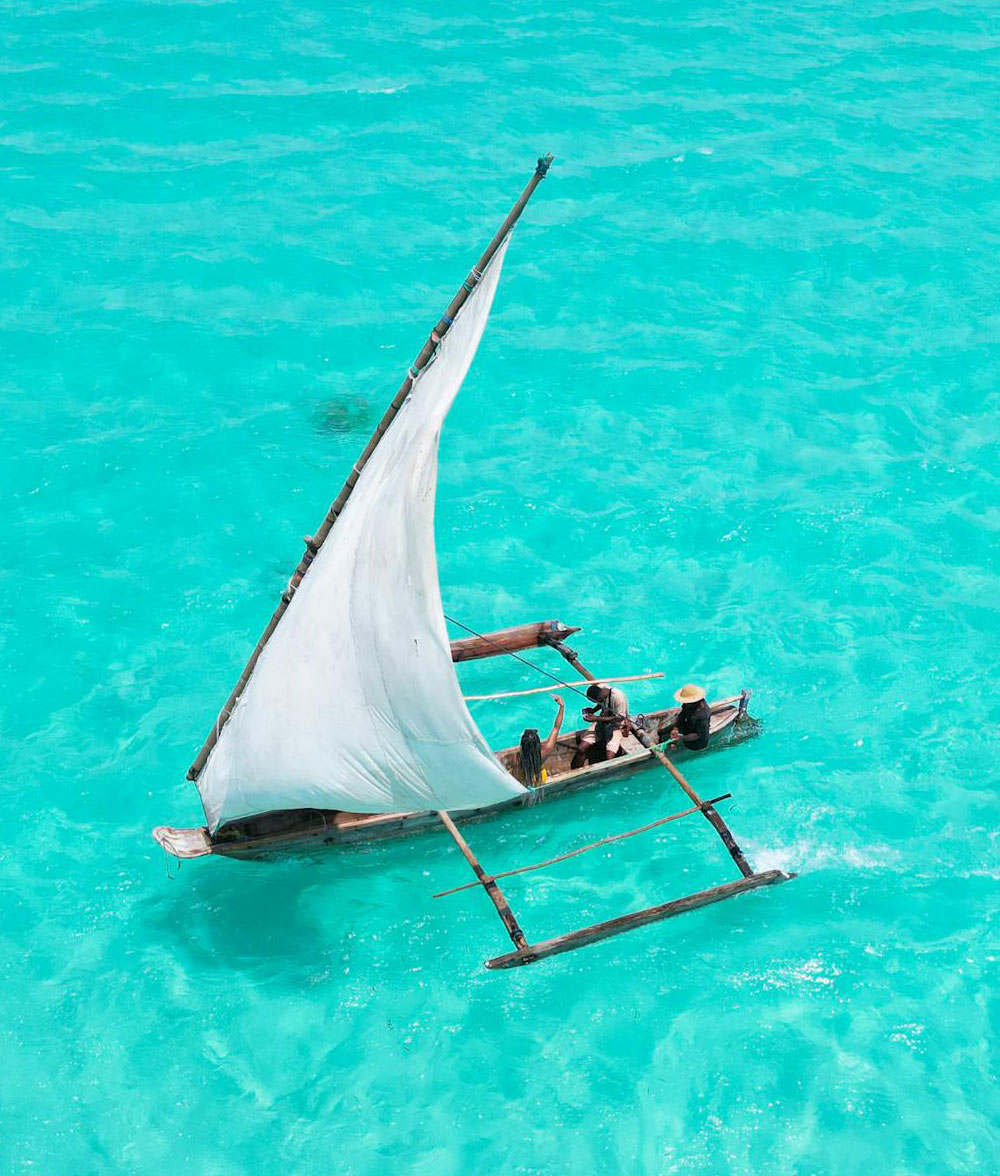
Obsession defines our cravings this week as they drift to Zanzibar where indulgence is slow, sunlit, and unapologetically sensory. There is a certain kind of hunger that is not about food until it is, beginning with light on water, salt in the air, and a coastline that refuses urgency. This is not a destination that performs for you. It rewires you.
BEYOND THE POSTCARD: BEACHES AND SPICE ISLAND REALITY
Zanzibar is not a single beach postcard, it is an archipelago of over 25 beaches across Unguja and Pemba Island. Most people stop at Nungwi or Kendwa. That is amateur territory. Yes, Nungwi delivers powder soft sand and cinematic sunsets. Kendwa offers rare still water that ignores the tides. But the real story begins elsewhere. Paje moves with wind and kitesurfing energy, Jambiani slows everything down into lived rhythm, and Matemwe faces Mnemba Island with a quiet, almost private kind of luxury. Here, luxury is not excess, it is rhythm. The tide itself becomes the authority.
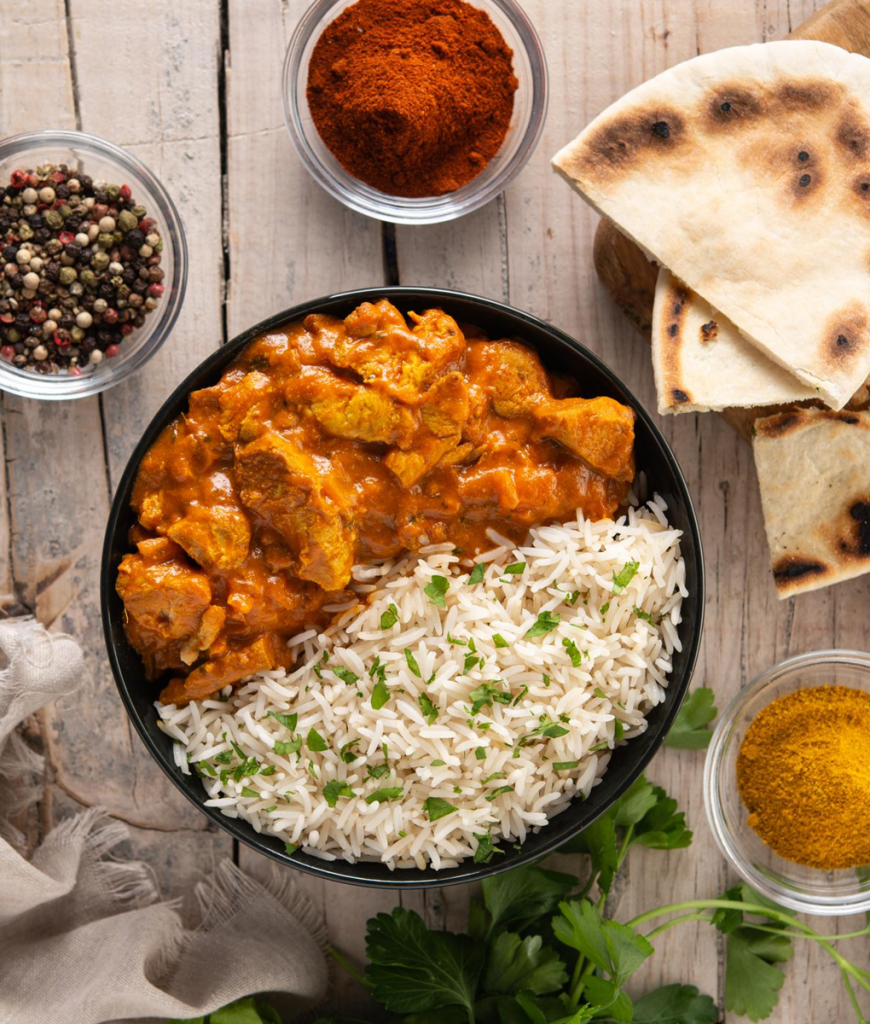
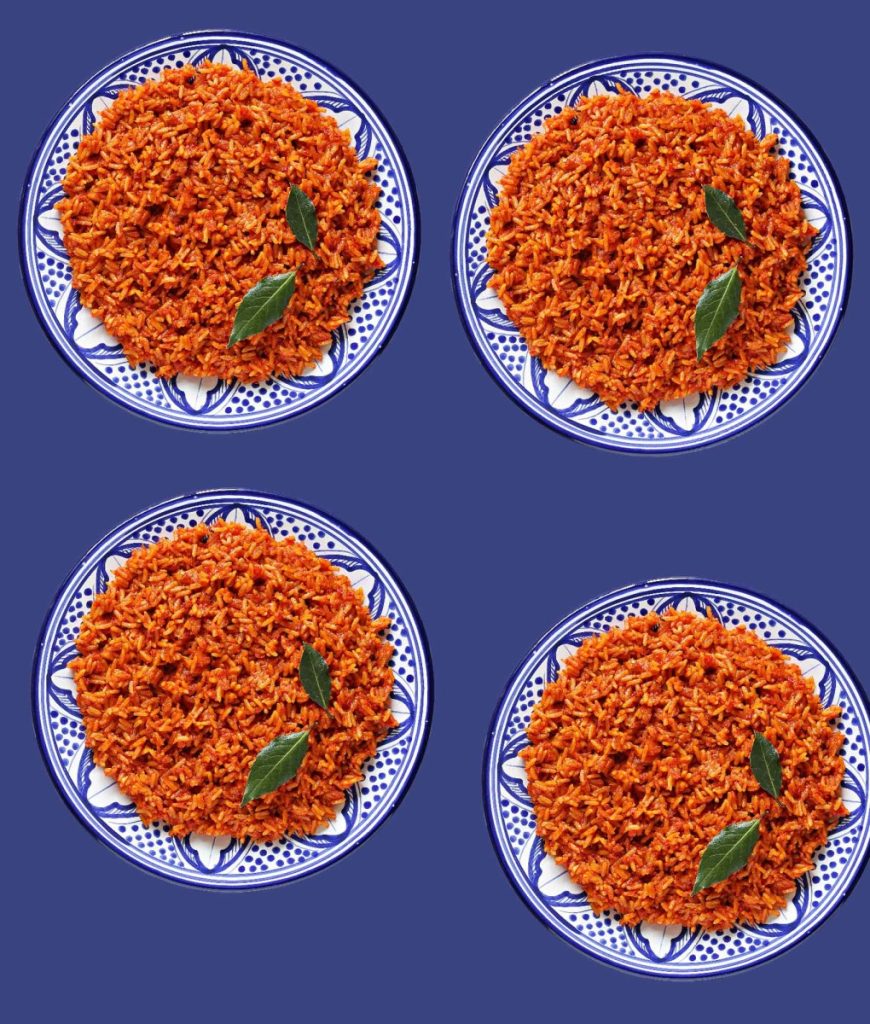
But the real seduction is flavour. Clove laced air, cinnamon heat, nutmeg depth. Zanzibar earns its name as the Spice Island not through branding, but through biology. Food does not arrive here dressed for attention. It arrives honest. Grilled snapper kissed with lime and pili pili. Coconut rice that carries the plate rather than accompanies it. Mangoes so ripe they collapse into sweetness without effort.
BEYOND THE POSTCARD: BEACHES AND SPICE ISLAND REALITY
Zanzibar is not a single beach postcard, it is an archipelago of over 25 beaches across Unguja and Pemba Island. Most people stop at Nungwi or Kendwa. That is amateur territory. Yes, Nungwi delivers powder soft sand and cinematic sunsets. Kendwa offers rare still water that ignores the tides. But the real story begins elsewhere. Paje moves with wind and kitesurfing energy, Jambiani slows everything down into lived rhythm, and Matemwe faces Mnemba Island with a quiet, almost private kind of luxury. Here, luxury is not excess, it is rhythm. The tide itself becomes the authority.
But the real seduction is flavour. Clove laced air, cinnamon heat, nutmeg depth. Zanzibar earns its name as the Spice Island not through branding, but through biology. Food does not arrive here dressed for attention. It arrives honest. Grilled snapper kissed with lime and pili pili. Coconut rice that carries the plate rather than accompanies it. Mangoes so ripe they collapse into sweetness without effort.
A DIALOGUE OF FLAVOUR, VISUAL APPETITE AND PHILOSOPHY
And this is where the dialogue expands beyond the island. What Zanzibar does with spice and restraint mirrors the culinary language we speak across West and Central Africa. The smokiness of Nigerian suya finds its echo in open flame coastal grilling. Ghanaian kelewele shares the same tension between heat and sweetness. Cameroonian pepper sauces would not feel foreign here, they would feel understood.
Luxury African food is not about excess. It is about precision. Knowing when to stop is as important as knowing when to begin.
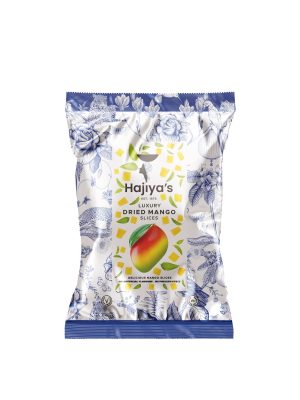
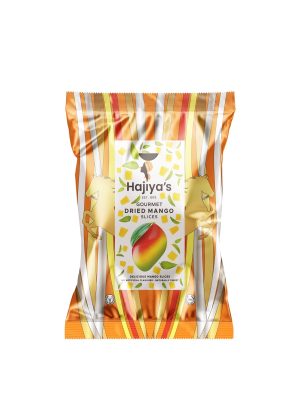
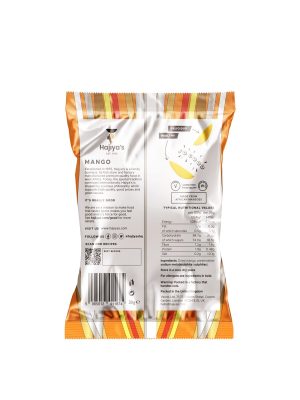
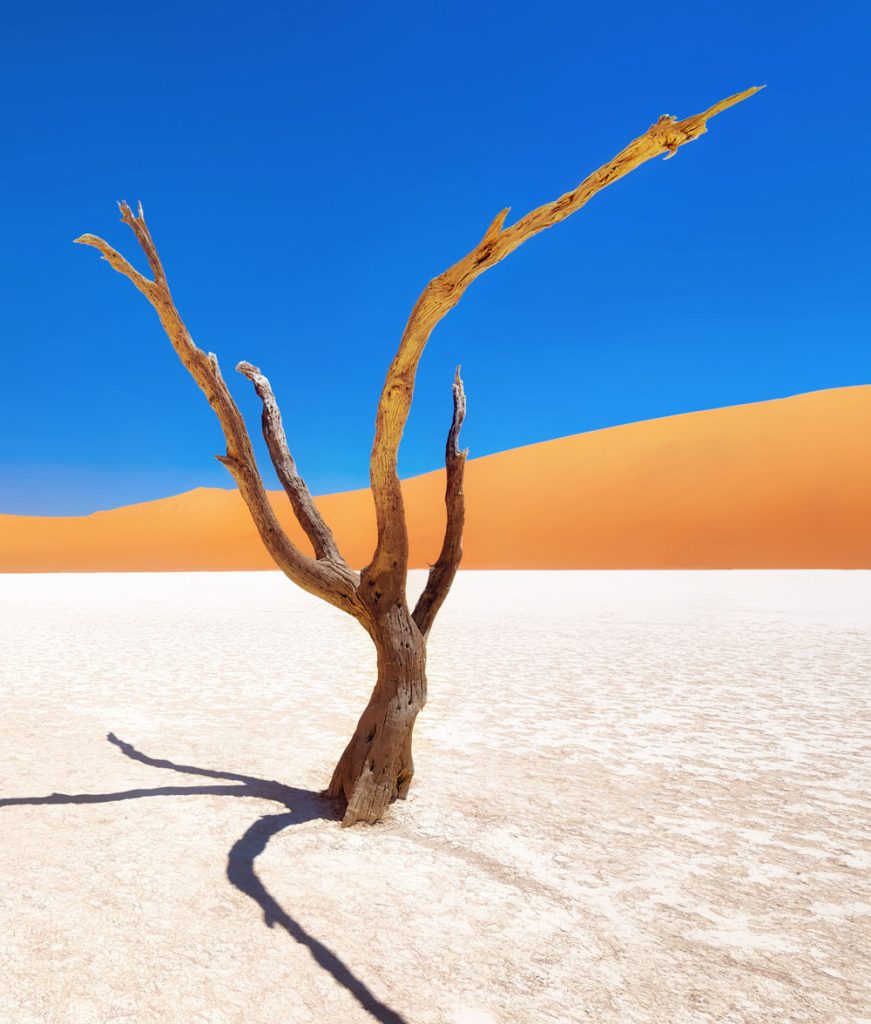
This week’s visual appetite reflects that truth. A Zanzibar shoreline, wide and unhurried, where nothing competes for attention. And alongside it, mangoes in their rawest form, not styled, not engineered, just ripe and unapologetic. The kind you eat with your hands because etiquette has nothing to add.
Zanzibar is often described as escape, but that word is too passive. It is more accurately a lesson in restraint, in patience, in understanding that intensity does not need noise to exist.
This is our philosophy African food elevated yet accessible. Luxury is not excess, it is intention. It is the quiet precision of flavour, the memory of spice, and the discipline of simplicity that lingers long after the last bite.
BROWSE THE SHOP WINDOW BELOW
WORLD FOODS